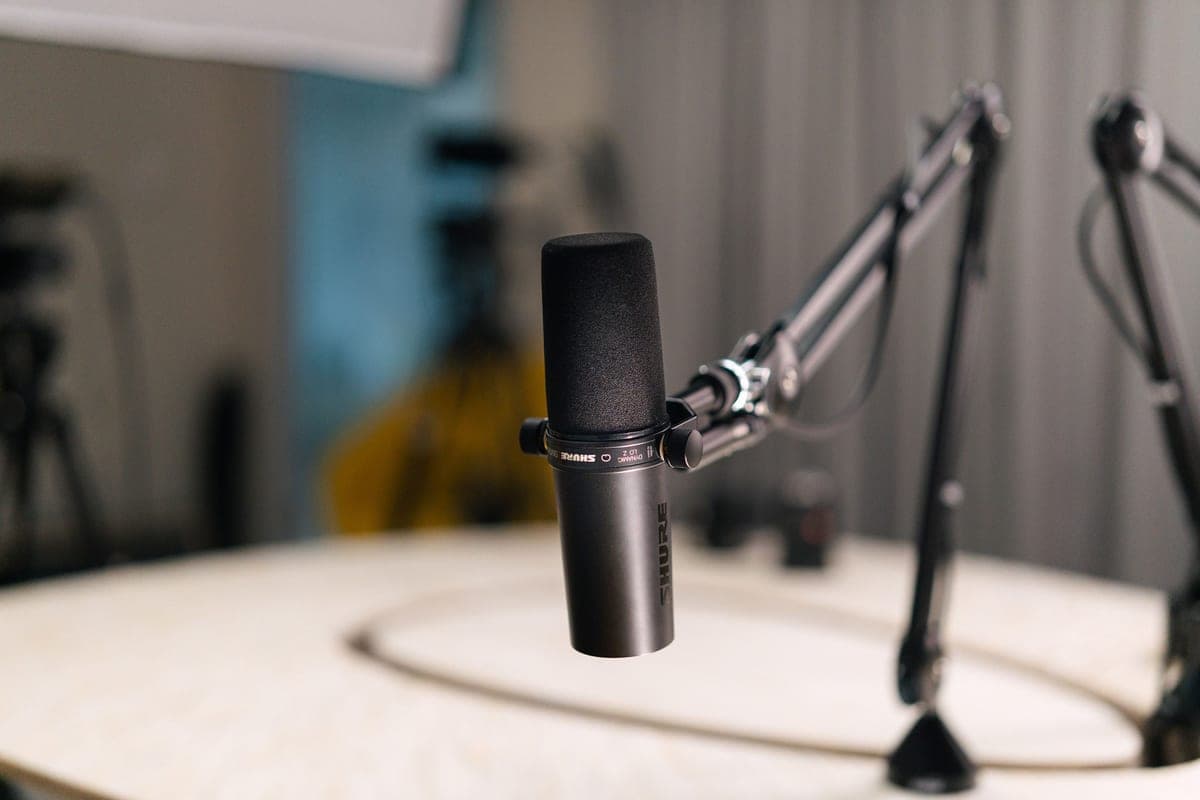
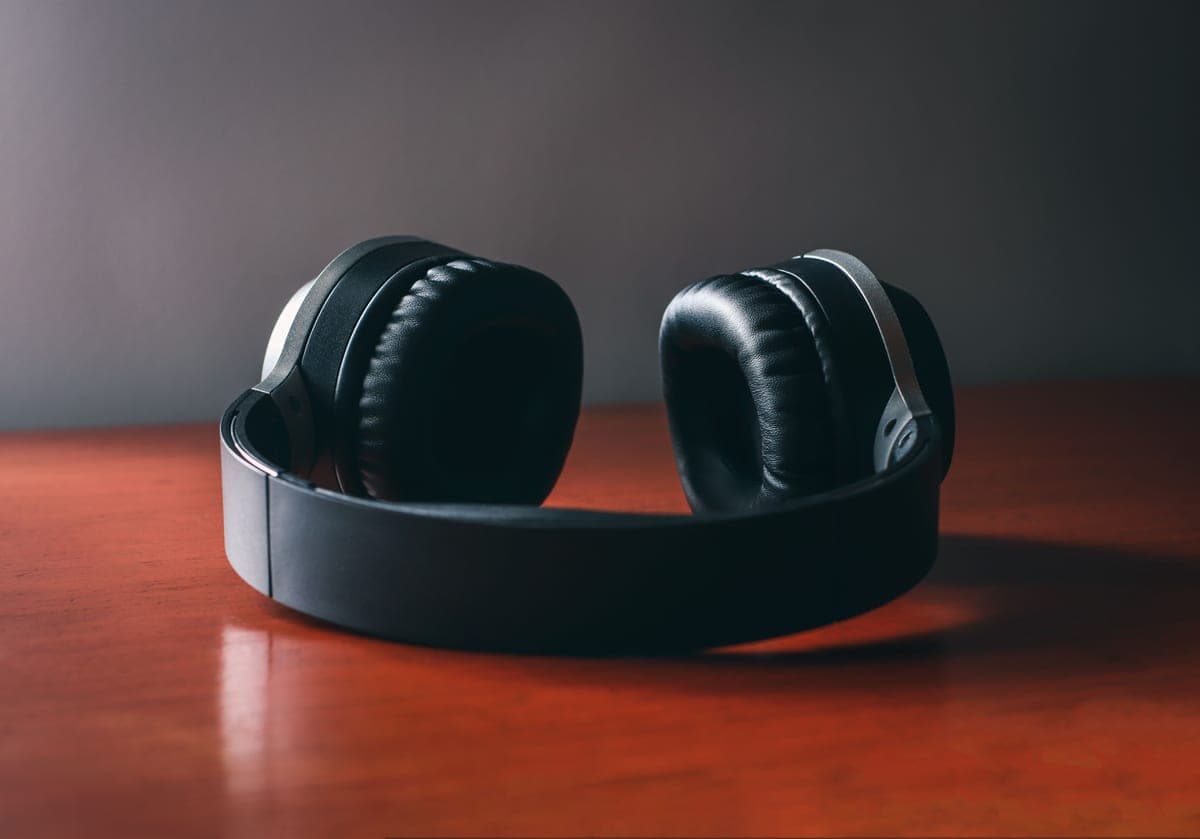
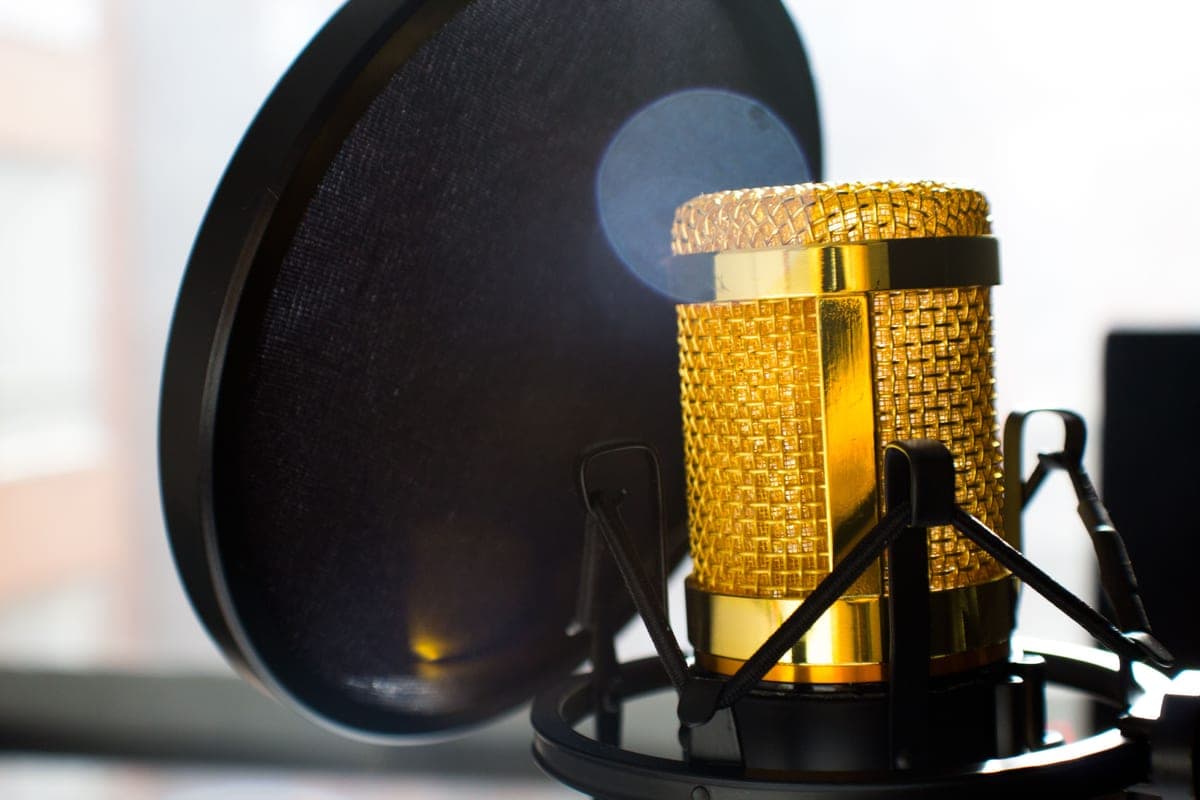
The safest good gift is a boom arm — every home recordist needs one, a better one is always welcome, and there is no compatibility question beyond the desk edge. Closed-back headphones and a metal pop filter are the next safest, for the same reason: they work with any microphone.
This page is written for you, the person buying, not for the person who records. The hard part of buying recording gear as a gift is not finding something good — it is avoiding the things that only work with specific other equipment, and that is most of the category.
What not to buy, and why
- A microphone. The single most likely thing to be wrong. Whether a given microphone works depends on their interface's gain figure and whether their room is treated — see how much gain does the SM7B need for how specific that gets. Well-meant, frequently returned.
- An audio interface. Same problem in reverse, plus they may already have one they like.
- Studio monitors. They depend on the room, on desk space, and on whether the recipient's living situation allows speakers at all.
- Anything described as 'soundproofing'. It does not do what the name suggests, and someone who records will know that.
- A cheap microphone bundle. The parts are chosen on cost rather than on fit, and a recordist will replace all of them.
What to check before you buy
- For a boom arm: how thick is their desk edge, and is there a clampable edge at all? A glass desk or a wall-mounted shelf rules it out.
- For headphones: do they already have a closed-back pair? Most people have one pair, and a second pair for a different job is genuinely useful rather than duplicate.
- For a pop filter: does their microphone already have one built in? A Rode PodMic and an Electro-Voice RE20 both do.
- For a cable: what length do they need, and do they have a hum problem? A premium cable is a fix for a specific fault, not a general upgrade.
- For monitor stands: are their speakers sitting flat on the desk? If they are, this is an unusually good gift.
Five gifts that are hard to get wrong
Each of these works with any microphone and any interface, so the compatibility question that makes gear gifting risky does not apply.
Rode PSA1+
Top pickRode · The quietest arm that holds a heavy mic
The right arm for a broadcast dynamic: quiet, and rated for the weight you will actually hang on it. If the arm appearing on camera is your problem, a low-profile arm solves that instead.
Why it is here
- Damped springs and a neoprene sleeve mean it does not creak or ping into a live mic
- 1.2 kg capacity covers an SM7B with a booster and a pop filter hanging off it
- Internal cable routing keeps the XLR out of the shot and out of the way
What it costs you
- 94 g minimum means a very light mic will not hold position
- Arcs up and over, so it can sit in a webcam frame
- Costs more than most of the mics people mount on it
Beyerdynamic DT 770 Pro (80 ohm)
Beyerdynamic · Tracking with a live mic in the room
The right headphone for recording, where leakage is the problem you are solving. For mixing decisions, an open-back pair will tell you more truth about depth and reverb.
Why it is here
- Closed-back, so nothing leaks into an open microphone two feet away
- 80 ohms drives properly from any interface headphone output on this site
- Every wear part is a user-replaceable spare, which is why these last a decade
What it costs you
- A lifted top end that flatters detail and misleads on sibilance decisions
- Closed-back soundstage narrows your sense of reverb depth
- Velour pads get warm over a long session
Stedman Proscreen XL
Stedman · A pop filter you can wash instead of replace
Worth it if you record daily and have replaced a fabric filter more than once. For occasional recording a nylon filter at a tenth of the price does the same acoustic job.
Why it is here
- The patented metal screen redirects plosive air downward rather than trapping it in fabric
- 6.125 inches of screen covers off-axis movement a small filter does not
- Rinse it clean; a nylon mesh filter is a consumable
What it costs you
- 10 oz on a 13-inch gooseneck is real leverage on a boom arm
- Costs many times a nylon filter
- 26.5 inches overall needs somewhere to live when you are not recording
Mogami Gold Studio XLR
Mogami · A room full of electrical interference
Buy it for a specific, diagnosed hum problem, where the 30 dB rejection figure is doing measurable work. Do not buy it expecting better sound in a quiet electrical environment — that is not what a cable does.
Why it is here
- Star-quad geometry rejects up to 30 dB more induced noise than a standard two-conductor cable
- That figure is the reason to buy it: if you hear hum near a dimmer or a router, this is a real fix
- Built to be coiled and uncoiled for years without conductor failure
What it costs you
- Costs several times a competent basic cable
- If you have no interference problem, it will sound exactly like a cheap cable, because it should
- Stiffer than a thin cable, which matters on a boom arm
IsoAcoustics ISO-155
IsoAcoustics · Getting a desk monitor to ear height and off the desk
The highest-value upgrade in this hub if your monitors currently sit flat on the desk: on-axis and decoupled beats a better speaker sitting wrong. It is not a substitute for treatment.
Why it is here
- Decouples the cabinet from the desk, which removes a resonance you cannot EQ out
- Height and tilt adjustment gets the tweeter on axis with your ears, which matters more than the speaker choice
- 40 lb capacity covers every monitor on this site
What it costs you
- Costs a real fraction of a budget monitor pair
- Takes desk depth you may not have
- Does nothing for room modes — this is a coupling fix, not an acoustics fix
If you want to spend more
A better boom arm and a better pop filter are the two places where spending more buys something the recipient will notice every session: a quieter mechanism and a screen that does not need replacing. Beyond that, the honest advice is that more money in this category buys more specificity, and specificity is exactly what you cannot judge from outside.
If the budget is genuinely generous, the most useful thing you can do is ask them what their weakest link is. Anyone who records will have an immediate answer, and it will be more useful than anything you could guess. The home studio upgrade path is the question they will be answering internally.
If you want to spend less
A good cable at the right length, or a foam windshield, are both small and genuinely used. Home recording gifts under $50 covers the lower end properly, including the two things that cost almost nothing and improve every recording.