Studio Setup & Accessories
The physical rig, and the upgrade path that tells you which link to fix next rather than which product to buy.
Some links here are affiliate links: if you buy through one, we may earn a commission at no extra cost to you. It never changes the ranking — how this site is funded.
The picks, across the whole category
One per sub-category. Every figure is a published manufacturer spec with its source linked on the product's own page.
| # | Product | Key spec | Score | Price |
|---|---|---|---|---|
| Top pick.1 | 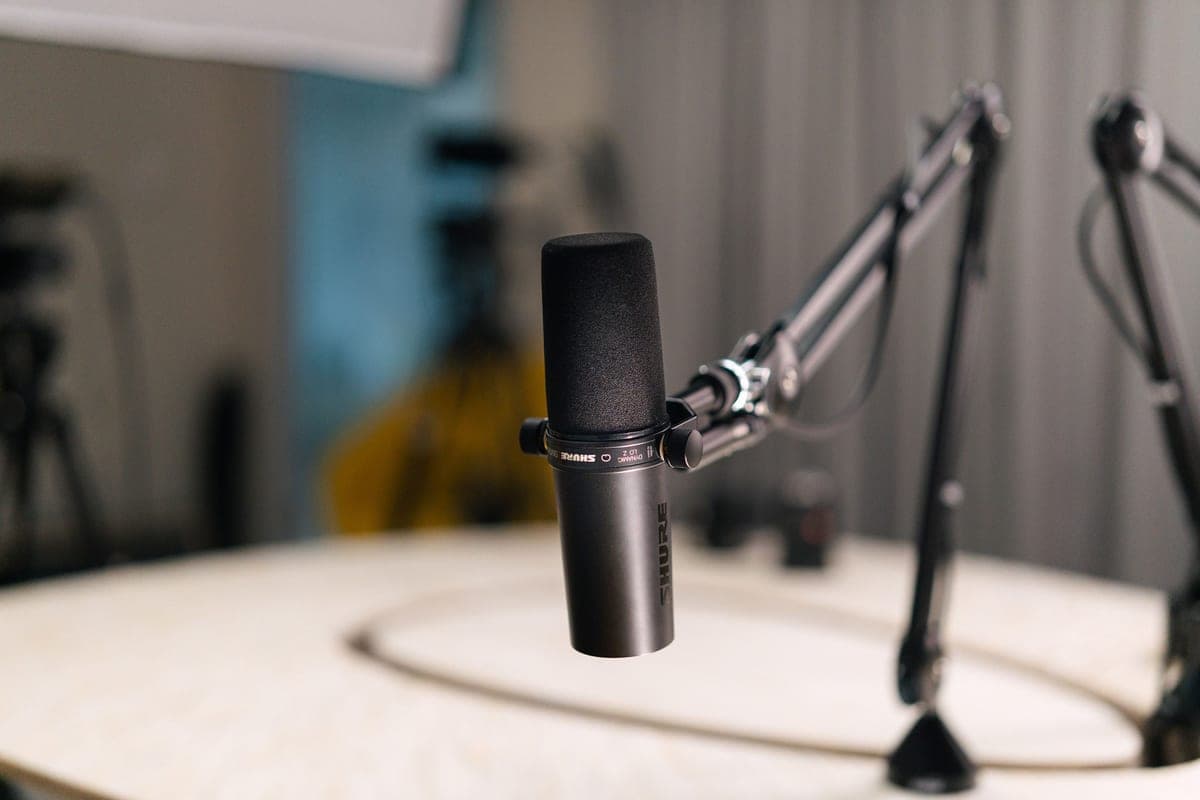 Rode PSA1+The quietest arm that holds a heavy mic | Mic weight range94 g to 1.2 kg | 9.1 | |
| 2 | Elgato Wave Mic Arm LPStaying out of the camera frame | Capacity2 kg (4.4 lb) | 9.0 | |
| 3 |  K&M 259A desk-height stand when an arm will not fit | Height range16.73 to 25.39 in | 8.5 | |
| 4 | 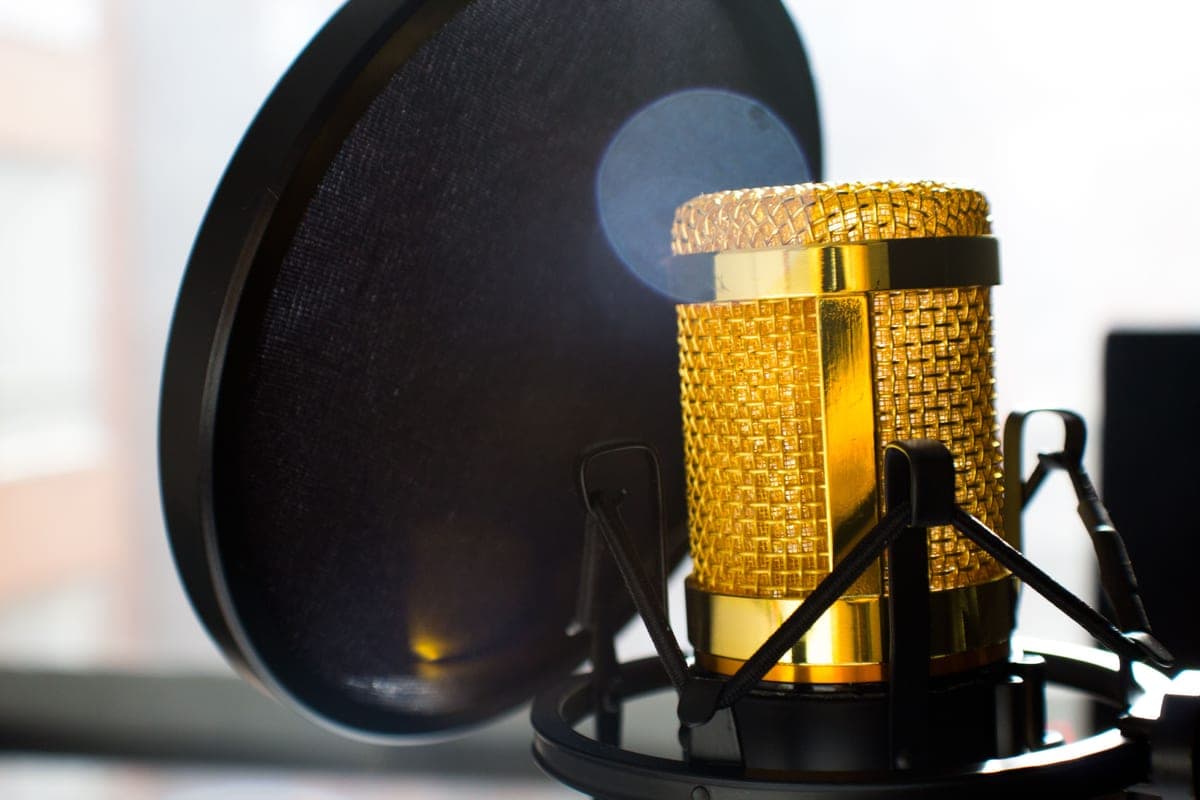 Stedman Proscreen XLA pop filter you can wash instead of replace | Screen diameter6.125 in | 8.6 | |
| 5 | 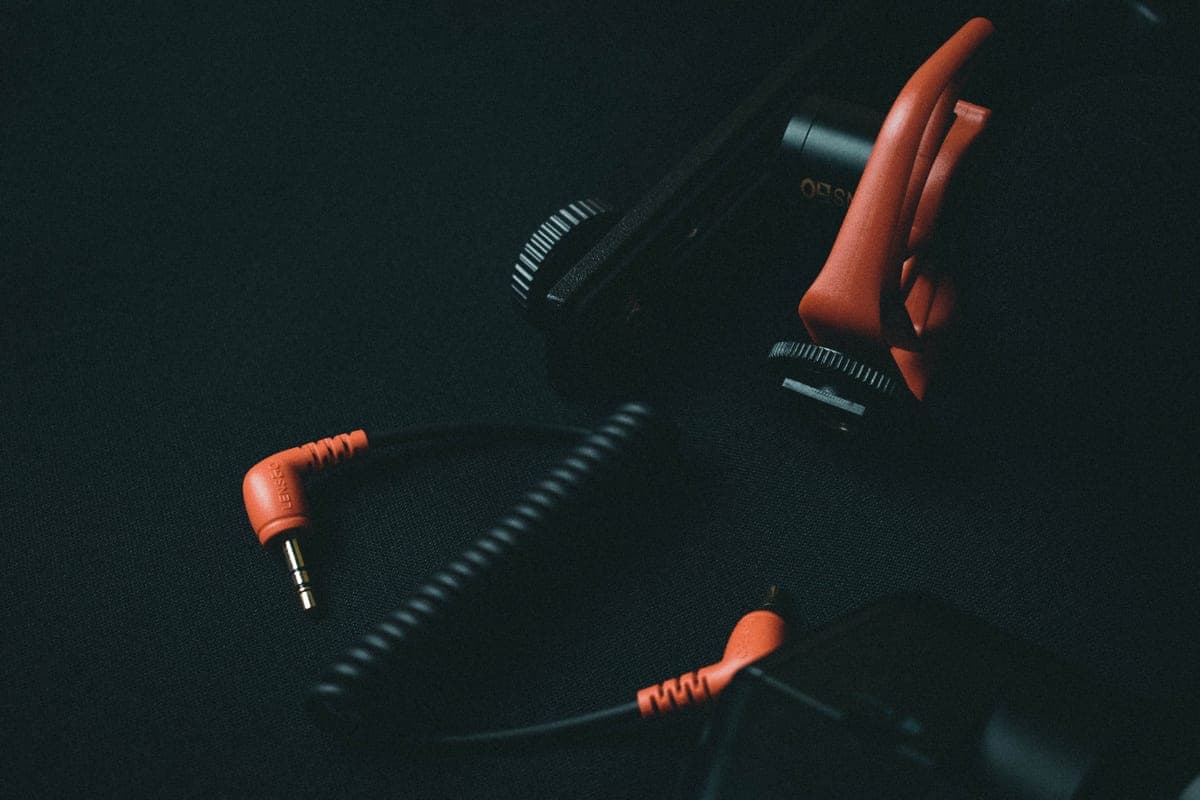 Mogami Gold Studio XLRA room full of electrical interference | ConstructionNeglex quad, 4 conductors | 8.7 |
This is the hub that decides whether the rest of your gear works. A microphone that picks up desk knocks and arm creaks is a microphone you fight in every edit, and no capsule or preamp fixes a mechanical problem. It is also the hub where most of the money gets wasted, because accessories are cheap enough to buy carelessly.
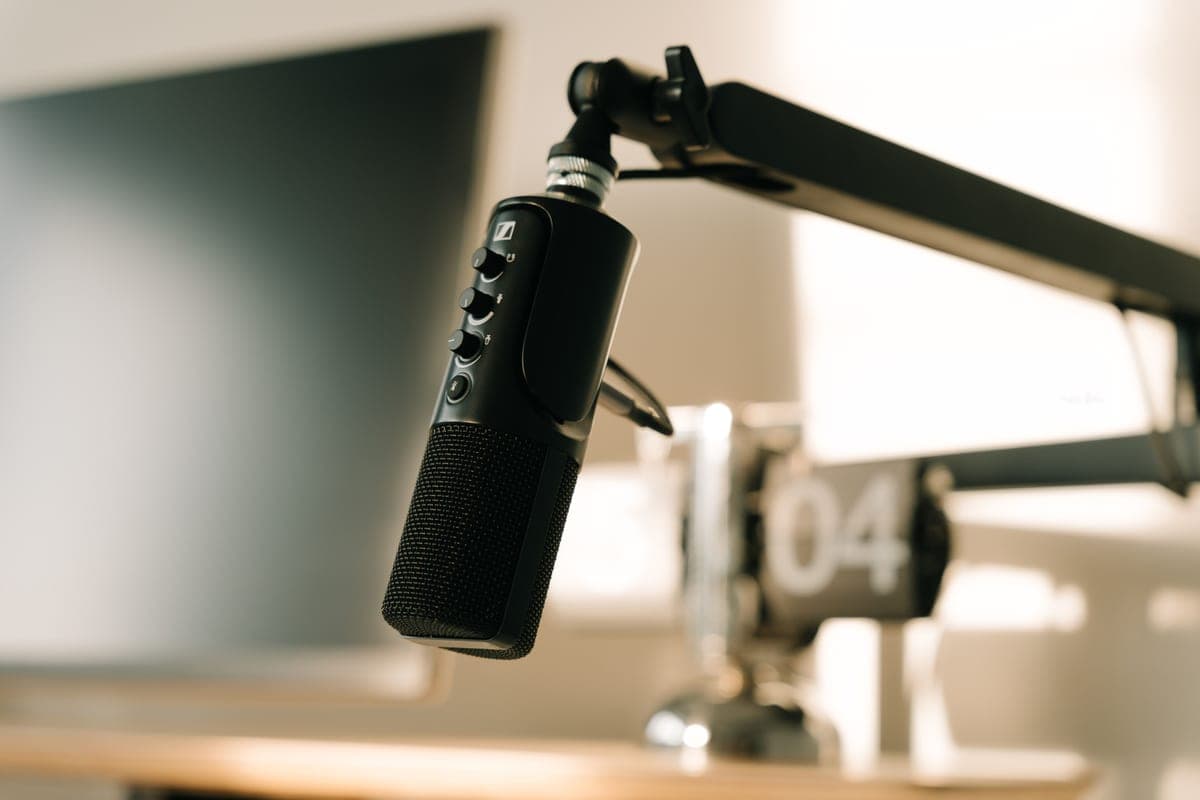
Two specifications matter here and neither is glamorous. The first is published load rating. An SM7B plus an inline booster plus a metal pop filter is heavier than most cheap arms hold, and an arm that droops mid-session costs you takes. The Rode PSA1+ is rated 94 g to 1.2 kg; the Elgato Wave Mic Arm LP holds 2 kg. Those are real, published numbers and they are the ones to check.
The second is mechanical quietness. A spring that pings, a joint that creaks, a cable that rubs — all of it arrives on the recording as something you cannot remove. Damped springs and a sleeve over them is why the PSA1+ costs what it does, and it is a genuine engineering difference rather than a finish.
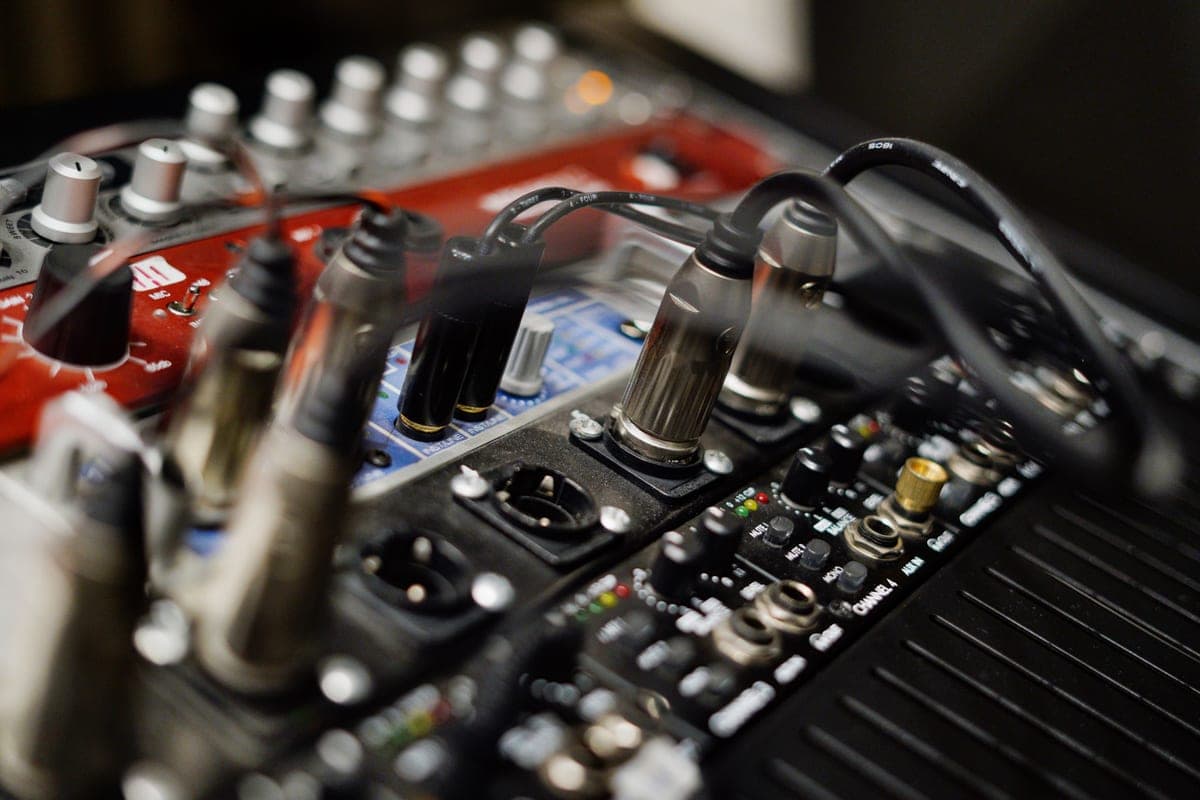
On cables we will be blunter than most sites: in a quiet electrical environment, an expensive cable sounds exactly like a cheap one, because that is what a competent cable does. Where it earns its price is a documented interference problem, and star-quad construction rejects up to 30 dB more induced noise than a standard twisted pair. Buy it for that reason or do not buy it.
If you are not sure what to fix next at all, start with the home studio upgrade path, which is a diagnosis rather than a shopping list.
Everything in Studio Setup & Accessories
6 roundups, 2 head-to-head comparisons and 4 guides. Roundup cards carry the top pick and its buy link, so you do not have to dig for it.
The Best Boom Arms for Microphones
Arms ranked on published load rating and mechanical quietness — the two specs that actually matter.
Top pick: Rode PSA1+ 9.1/10
The Best Mic Stands for the Shure SM7B
Stands and arms for a heavy broadcast dynamic, ranked on published reach and build quality.
Top pick: K&M 259 8.5/10
The Best XLR Cables
Star-quad rejects 30 dB more induced noise — the one documented reason to spend more on a cable.
Top pick: Mogami Gold Studio XLR 8.7/10
The Best Pop Filters
Metal screen against foam windshield, compared on published weight and what your arm can carry.
Top pick: Stedman Proscreen XL 8.6/10
The Best Gifts for Someone Who Records at Home
Gifts a home recordist will actually use, chosen so a non-specialist cannot get the compatibility wrong.
Top pick: Rode PSA1+ 9.1/10
Where this fits in the upgrade path
Accessories are where the other four hubs meet the physical world. What you buy here depends on what you have already chosen there.
- The microphone sets the load. A 632 g BP40 needs a different mount from a 298 g SM58. Microphones.
- The booster adds weight where it matters most — hanging off the connector. Audio interfaces and preamps, and Cloudlifter vs FetHead for the form-factor consequence.
- Monitor stands are the same problem in a different hub. Monitors and headphones and best studio monitor stands.
- None of it fixes the room. Acoustic treatment remains the largest available improvement for most setups.
- Microphones
Dynamic or condenser, and how much gain each one will demand from the interface you already own.
- Audio Interfaces & Preamps
Ranked on published gain first, because the gain figure is what decides whether your microphone choice works.
- Monitors & Headphones
What you mix on decides every decision you make. Ranked on the specs that tell you what a small room can honestly reproduce.
- Acoustic Treatment
Ranked on published absorption at 125 Hz, because that is where small rooms go wrong and NRC does not measure it.