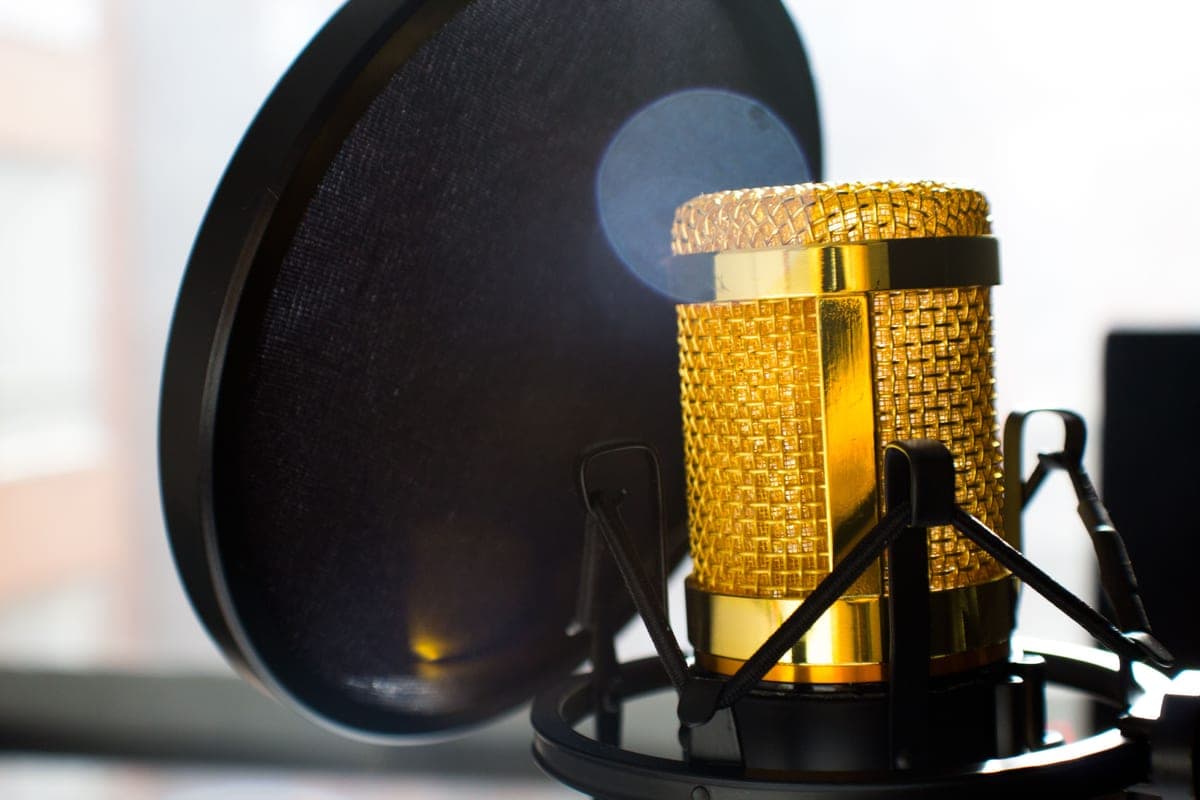
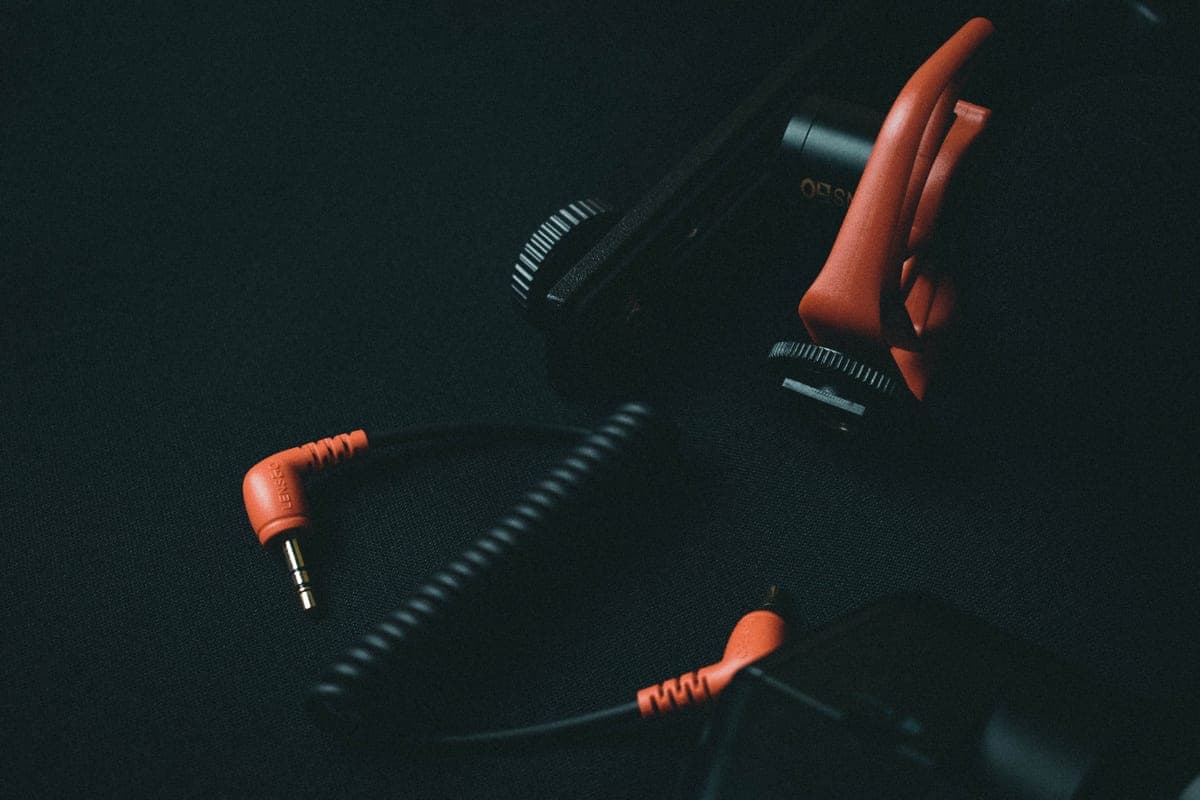
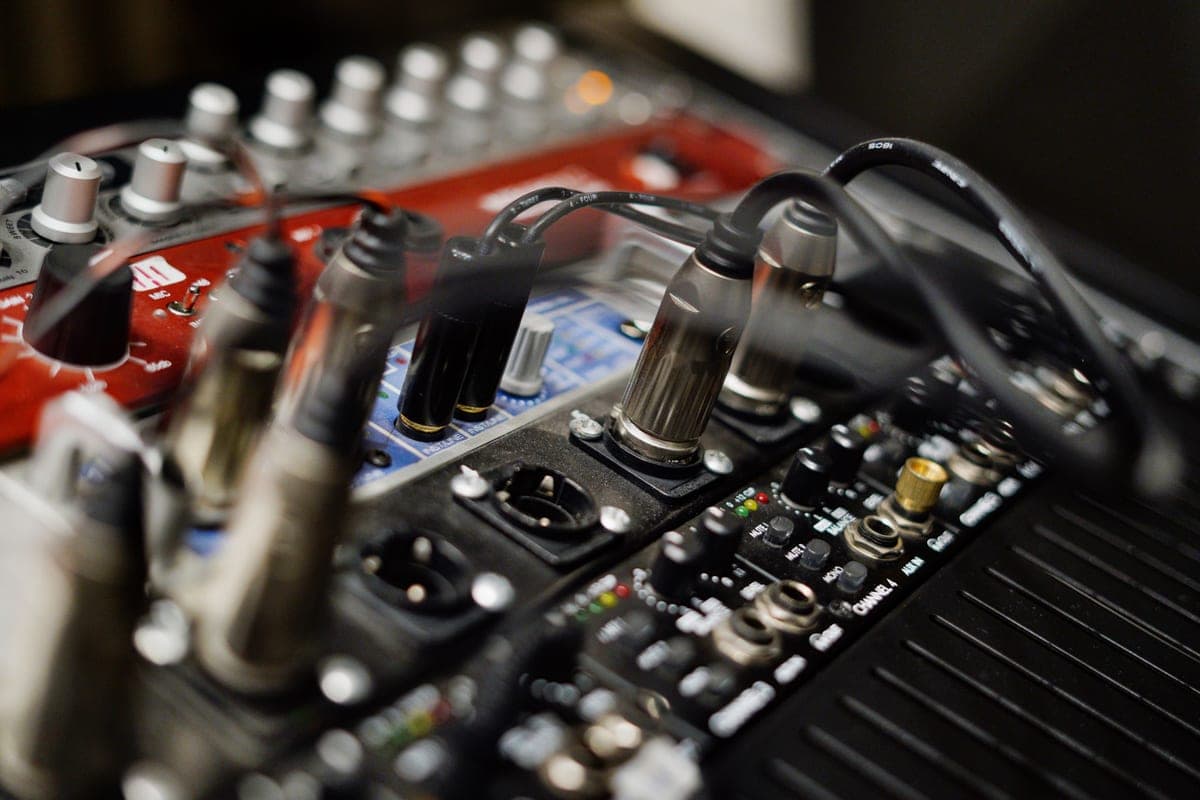
At this budget the safe, genuinely useful gifts are a foam windshield, a good cable at the right length, or — if they use a quiet dynamic microphone — an inline booster. All three are things a recordist uses and few people buy for themselves.
Under $50 you are not buying the exciting item, and that is fine — the exciting items are also the ones with compatibility questions you cannot answer from outside. What you can buy at this budget is something small that removes a daily annoyance, which is often more appreciated than a larger gift that sits unused.
The two things that cost nothing
Worth knowing even though you cannot wrap them, because if the person you are buying for has not done these, mentioning them is worth more than anything on this page.
- Getting closer to the microphone. Halving the distance roughly doubles the direct sound relative to the room. Most amateur recordings sound amateur for this reason alone.
- Not recording in the middle of the room, or facing a bare parallel wall. Position is free and it undoes a large part of what treatment would achieve. How to treat a room for recording has the detail.
What to buy at this budget
Three gifts under $50
A windshield that adds 10 g to any microphone, a cable that fixes a real interference fault, and the cheapest way to add 25 dB of gain to a quiet dynamic.
Rode WS2
Top pickRode · Plosive control without anything on your arm
The right choice when your arm is already at its weight limit, or when the mic has to stay portable. A mesh or metal screen keeps the top end cleaner if you have the load capacity for one.
Why it is here
- 10 g adds nothing to your arm's load, unlike a 10 oz metal filter
- Sits on the mic, so the mic can move without re-aiming a separate screen
- Cheapest effective plosive control there is
What it costs you
- Foam over a capsule takes a little top end with it
- Sized for specific Rode bodies — check the fit before ordering
- Foam degrades over a few years
Mogami Gold Studio XLR
Mogami · A room full of electrical interference
Buy it for a specific, diagnosed hum problem, where the 30 dB rejection figure is doing measurable work. Do not buy it expecting better sound in a quiet electrical environment — that is not what a cable does.
Why it is here
- Star-quad geometry rejects up to 30 dB more induced noise than a standard two-conductor cable
- That figure is the reason to buy it: if you hear hum near a dimmer or a router, this is a real fix
- Built to be coiled and uncoiled for years without conductor failure
What it costs you
- Costs several times a competent basic cable
- If you have no interference problem, it will sound exactly like a cheap cable, because it should
- Stiffer than a thin cable, which matters on a boom arm
Klark Teknik Mic Booster CT 1
Klark Teknik · The cheapest way to add 25 dB
The budget answer when the gain shortfall is the only problem and the box does not need to last a decade. If this is a permanent part of your chain, the FetHead or Cloudlifter are better long-term purchases.
Why it is here
- Same +25 dB as a Cloudlifter for a fraction of the money
- Suitable for ribbons as well as dynamics
- Inline, so no desk footprint
What it costs you
- Least documented of the four boosters — the published spec sheet is thin
- Build is not in the same class as the Cloud or sE units
- Inline weight on the mic, as always
Check one thing before each
What not to buy at this budget
- A foam tile kit. It is the most-bought and most-regretted treatment purchase. 3 inch foam absorbs 0.23 at 125 Hz against 0.53 for mineral fiber, so it does not fix the boxiness people buy it for. Do acoustic foam panels work.
- A cheap microphone. Under $50 you are buying something they will not use, and the compatibility questions still apply.
- A desktop tripod stand. It puts the microphone below their mouth on the noisiest surface in the room.
- An XLR-to-USB cable. Almost never supplies enough gain, and rarely supplies phantom power. XLR to USB adapters explained.
If you can stretch a little further
The step up worth making at this end is a metal pop filter you can wash rather than a foam one — see best pop filters for the weight trade-off. Above that, best gifts for someone who records at home covers the arms, headphones and monitor stands that are the genuinely transformative gifts.