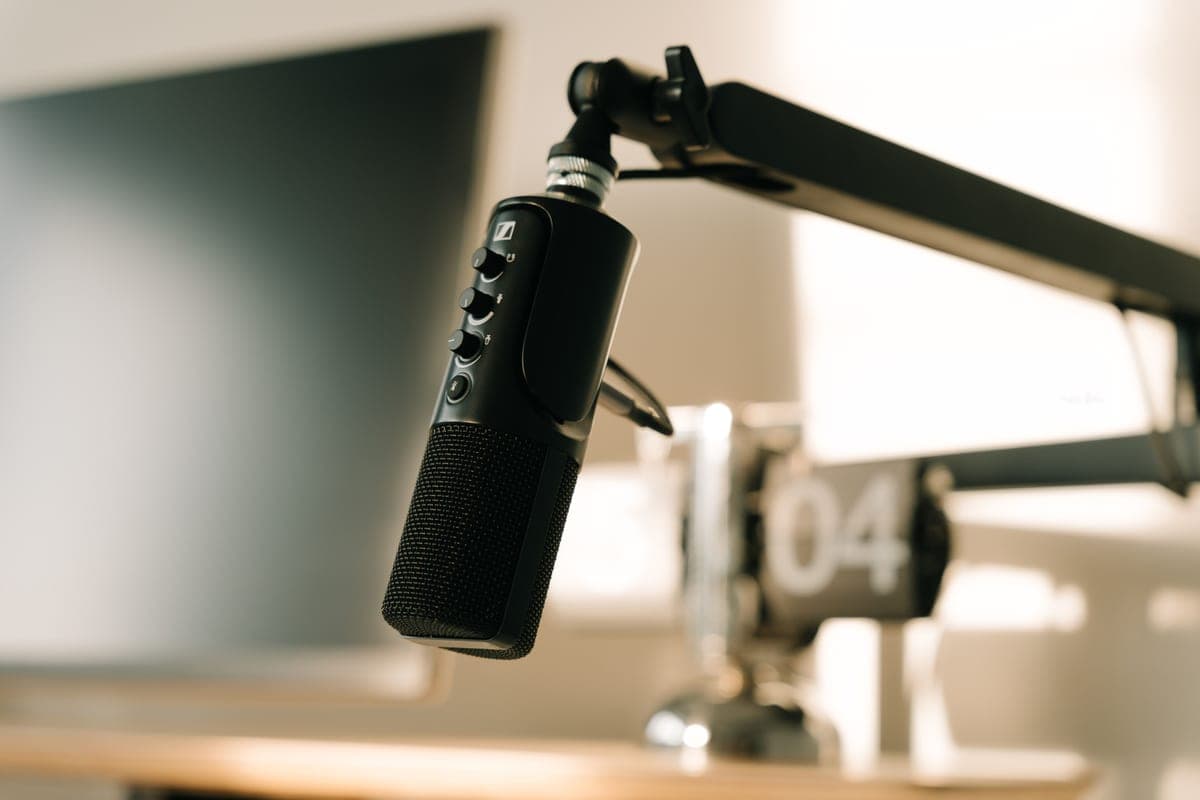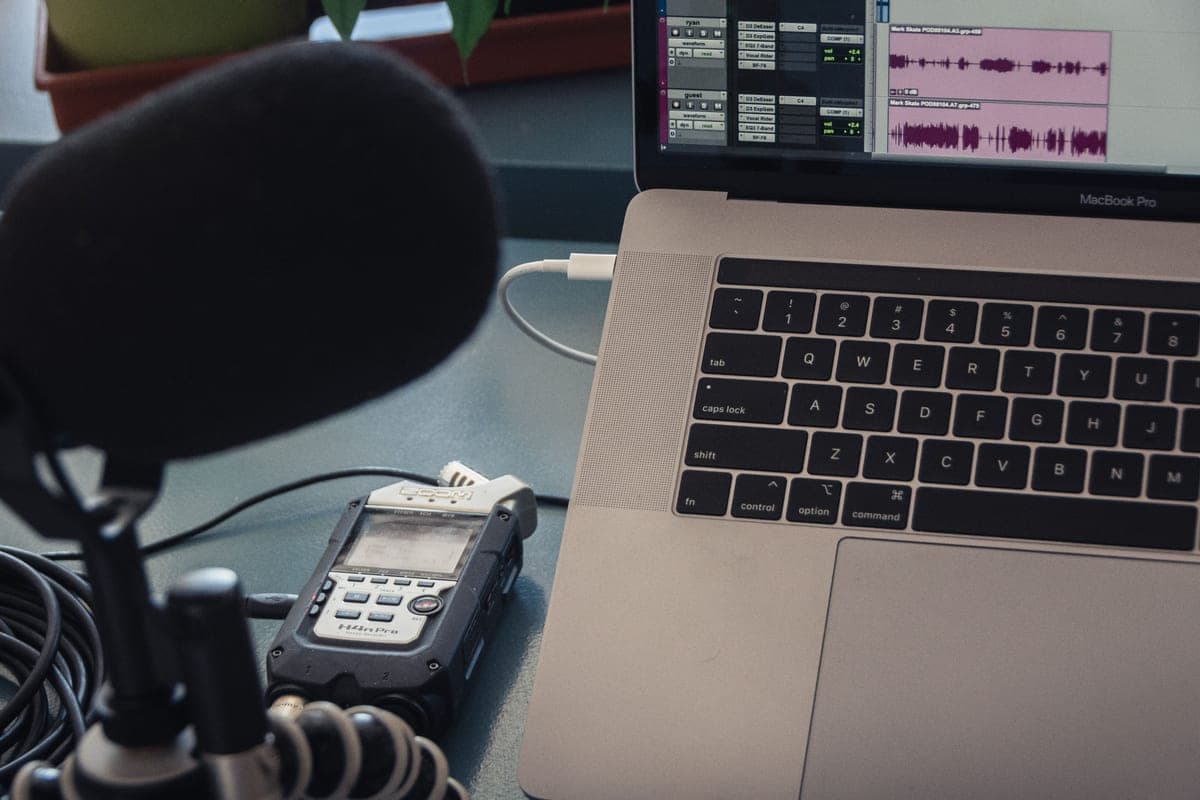
The Rode PodMic is the best SM7B alternative for most people: a similar broadcast-dynamic voicing, an internal pop filter, and -57 dBV/Pa sensitivity that asks about 2 dB less of your preamp. If the reason you are here is that your interface is too quiet, the Audio-Technica BP40 at -48 dB removes the problem entirely.
There are three genuinely different reasons people search for an SM7B alternative, and they lead to different microphones. Working out which one is yours takes ten seconds and saves you a return.
If your reason is the second one, read how much gain does the SM7B need before buying anything. It is entirely possible that a $ inline booster plus the SM7B you wanted is cheaper than a different microphone, and Cloudlifter vs FetHead compares the two options that matter.
What the SM7B actually does well
It is worth being precise about the thing you are trying to replace, because "it sounds like an SM7B" is not a specification. Three properties do the work.
- Room rejection. A cardioid dynamic with a well-behaved off-axis response, so what arrives from behind and beside you largely does not make it onto the recording.
- Two real voicing switches. A bass rolloff and a presence boost, which between them cover a boomy voice and a thin one without touching a plug-in.
- Mechanical isolation that works. An internal shockmount and a yoke that holds its position, so desk knocks and arm settling stay out of the take.
Nothing on this page matches all three. The PodMic gets the rejection and the isolation but has no switches. The BP40 gets tighter rejection and a rolloff filter but is heavy and unforgiving off-axis. The RE20 trades the proximity effect for consistency. Those are the trades, and which one is acceptable depends on your voice and your room.
The five alternatives, ranked
Rode PodMic
Top pickRode · The best value in a broadcast dynamic
The pick for most people upgrading from a USB mic: it gets you 90 percent of the broadcast-dynamic sound without the booster arithmetic. Choose the SM7B instead if your voice is already bass-heavy and you want the bass-rolloff switch.
Why it is here
- At -57 dBV/Pa it needs about 2 dB less gain than an SM7B, which is enough to matter on a 58 dB interface
- Internal pop filter means one less thing clamped to your arm
- All-metal body at a fraction of the SM7B's price
What it costs you
- Voiced with more low-mid weight than the SM7B, so a boomy voice can get boomier
- No voicing switches, so you fix tone in the DAW rather than on the mic
- Still low enough output that a 55 dB interface will be working hard
Audio-Technica BP40
Audio-Technica · Tighter pickup than a cardioid in a live room
The pick when your problem is a live-sounding room and a weak preamp at the same time: the narrow pattern and the hot output solve both. Avoid it if you or your guests cannot stay on-axis.
Why it is here
- At -48 dB it is dramatically hotter than an SM7B and needs no booster on anything modern
- Hypercardioid pattern narrows the pickup further than the cardioid competition
- Switchable 100 Hz rolloff at 6 dB/octave for close work
What it costs you
- 632 g needs a serious arm or stand
- Hypercardioid punishes sloppy mic technique — step off-axis and you vanish
- Voiced large and forward, which is not every voice's friend
Shure MV7+
Shure · Keeping a USB fallback while you move to XLR
The honest transition mic: it works on your laptop today and on your interface next month. If you know you are committing to XLR and never going back, the same money buys a better-sounding pure-XLR dynamic.
Why it is here
- -55 dBV/Pa is roughly 4 dB hotter than an SM7B, which removes the booster question entirely
- USB side keeps working when you travel without the interface
- DSP and the LED panel are genuinely useful for a solo host with no engineer
What it costs you
- Frequency response stops at 16 kHz, so it is voiced for speech rather than music
- The DSP features only exist on the USB path, not the XLR path
- You are part-paying for a converter you stop using the day the interface arrives
Electro-Voice RE20
Electro-Voice · Movers, leaners and anyone who cannot hold mic distance
Worth the premium if you move while you talk, gesture, or share a mic with someone whose technique you cannot control. If you sit still at a fixed distance, the SM7B's proximity effect is a feature you will use, not a problem you need engineered away.
Why it is here
- Variable-D means the tone barely changes as you drift closer to or further from the grille
- Integral blast filter handles close talking without a separate pop screen
- The bass tilt-down switch is a genuinely useful second voicing, not a gimmick
What it costs you
- Costs more than an SM7B while sounding less immediately flattering on most voices
- Same low-output problem as every broadcast dynamic
- Large and beige, which some people mind
Shure SM7dB
Shure · An SM7B with the booster problem already solved
The right SM7 for anyone whose interface tops out near 55 dB and who wants one purchase instead of two. Skip it if you already own a Cloudlifter or a 69 dB-gain interface, because you are paying twice for the same 25 dB.
Why it is here
- The +28 dB setting turns a 55 dB-gain interface into enough headroom for this capsule
- One XLR cable, no inline box, no second phantom-power dependency to reason about
- Bypassable, so it behaves as a plain SM7B when you move it to a big preamp
What it costs you
- You pay for the preamp whether your interface needed it or not
- A separate booster can be reused with other low-output mics; this one cannot
- No gain setting between +18 dB and +28 dB
What we did not pick, and why
- The lookalike dynamics sold under unfamiliar brand names. Several are competent. But the entire ranking here depends on published sensitivity figures we can cite, and most of these publish nothing verifiable. We will not rank a microphone on a number we cannot source.
- The SM7B itself, at the top. It is the reference this page is measured against, and it appears here only as the SM7dB — the version that solves the gain problem. If the SM7B suits you, buy it: see best dynamic microphones for vocals.
- Condensers. They are not alternatives to an SM7B, they are a different tool for a different room. Dynamic vs condenser explains why substituting one for the other usually disappoints.
Pair it with
- A booster, if you are staying with a low-output dynamic. Best preamps for the SM7B applies to every mic on this page except the BP40.
- An arm rated for the weight. The BP40 is 632 g before you add anything. Best boom arms.
- A cable you can trust. Best XLR cables — and the honest answer about when an expensive one is worth it.