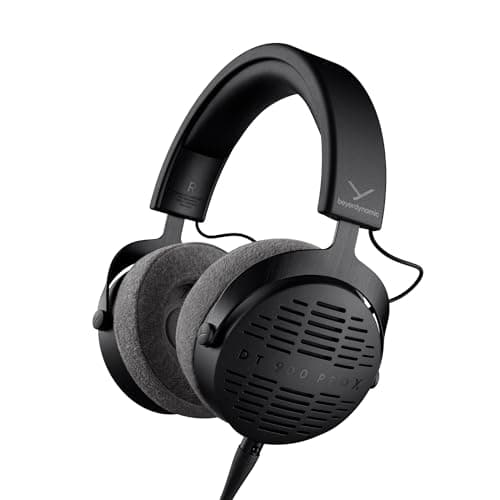
The Beyerdynamic DT 900 Pro X is the pick under $300: an open-back pair at 48 ohms nominal, which means a laptop or a modest interface drives it to a usable level without a separate amplifier - the thing that normally makes open-back mixing an expensive two-part purchase. The budget pick is the Audio-Technica ATH-M40x at 35 ohms, the flattest-voiced closed-back here and the one that will not lie to you about low end. Prices come from the daily price check and each button carries its own date.
Under $200 the honest answer is a closed-back pair, because the open-backs at that price are compromised and the good ones need an amplifier. Best closed-back headphones under $200 is the page for that budget. The $300 band is where the picture changes: it is the first point at which you can buy an open-back pair designed to be driven by ordinary equipment, and that is a genuinely different product from anything in the band below. So the real decision on this page is not which pair measures best - it is whether you spend most of your time recording with a live microphone in the room, or most of it making mix decisions.
Impedance is the column that decides whether a pair works with what you own. The 48 ohm Pro X models and the sub-40 ohm Audio-Technicas and AKG will reach a working level from a laptop headphone jack; the 80 ohm DT 770 wants a real headphone output and gets one from any interface on this site. For contrast, the Sennheiser HD 650 that tops best headphones for mixing is 300 ohms and sits above this band in both price and amplification requirement - which is exactly the two-part purchase the DT 900 Pro X exists to avoid.
The six, ranked under $300
Each card carries its published or independently measured figures with the source, the live price with the date it was checked, and the job the pair is actually for.
Beyerdynamic DT 900 Pro X
Top pickBeyerdynamic · Open-back detail with no amplifier requirement
The right open-back if you want mixing honesty from a laptop or an interface with a weak headphone amp. The HD 650 is still the more neutral midrange if you can drive it.
Why it is here
- 48 ohms is the easiest open-back here to drive — a phone dongle manages it
- Detachable cable with two lengths in the box
- Beyerdynamic spare-part support, same as the DT 770
What it costs you
- Slightly bright, in the family tradition
- Open-back rules out tracking with a live mic
- Beyerdynamic does not publish a full response spec for this model in the same detail as the DT 770
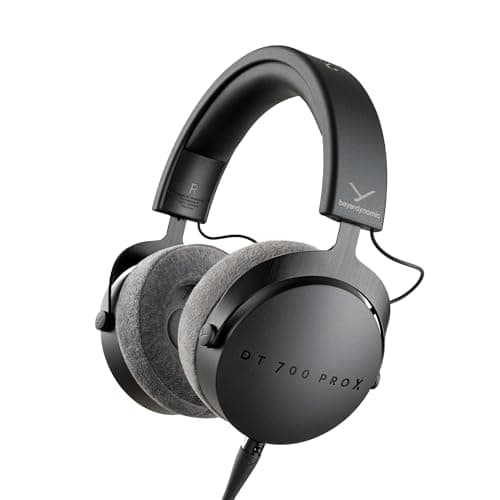
Beyerdynamic DT 700 Pro X
Beyerdynamic · A closed-back you can also make mix calls on
The pick if you want one closed-back that tracks honestly and can take a mix most of the way, and your interface has a modest headphone output. If budget decides, the DT 770 Pro does the tracking job for less.
Why it is here
- 48 ohms is the easiest-to-drive closed-back here — a bus-powered interface or a phone dongle manages it
- Noticeably flatter than the DT 770's lifted treble, so mix decisions survive better
- Detachable cable plus the usual Beyerdynamic replaceable-everything parts policy
What it costs you
- Costs roughly half again what the DT 770 Pro does for a smaller gain than the price implies
- Isolates less than the DT 770 Pro, which is the trade for the flatter voicing
- Beyerdynamic publishes no attenuation figure, so isolation cannot be compared on paper
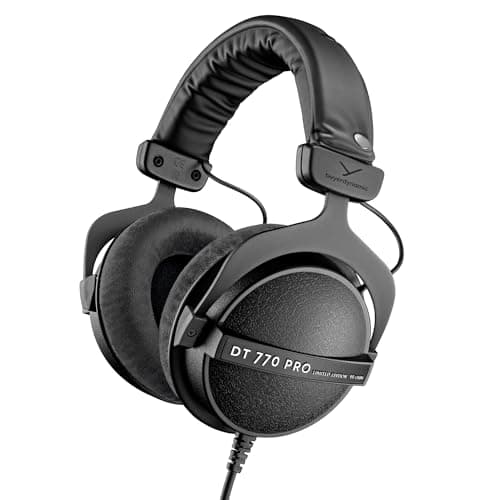
Beyerdynamic DT 770 Pro (80 ohm)
Beyerdynamic · Tracking with a live mic in the room
The right headphone for recording, where leakage is the problem you are solving. For mixing decisions, an open-back pair will tell you more truth about depth and reverb.
Why it is here
- Closed-back, so nothing leaks into an open microphone two feet away
- 80 ohms drives properly from any interface headphone output on this site
- Every wear part is a user-replaceable spare, which is why these last a decade
What it costs you
- A lifted top end that flatters detail and misleads on sibilance decisions
- Closed-back soundstage narrows your sense of reverb depth
- Velour pads get warm over a long session
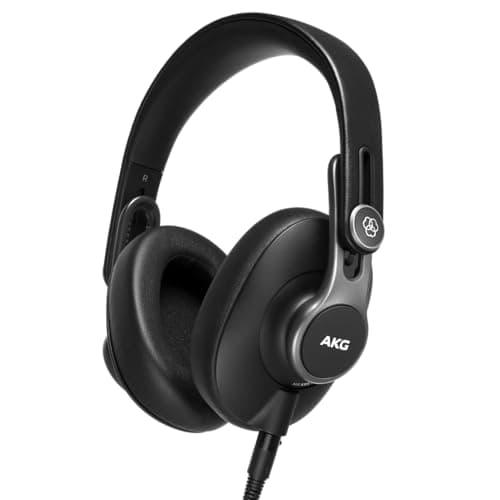
AKG K371
AKG · The closed-back that measures closest to a target curve
The best single-pair compromise on this site: closed enough to track with, flat enough to make real mix decisions on. Choose the DT 770 instead if durability matters more than measured flatness.
Why it is here
- Independently measured as one of the flattest closed-backs at any price
- 36 ohms and 117.9 dB SPL means anything drives it loudly
- Folds flat, with three detachable cables
What it costs you
- Plastic build that does not inspire the confidence a DT 770 does
- Clamping force is light, so it moves if you do
- Closed-back still compresses your sense of reverb depth
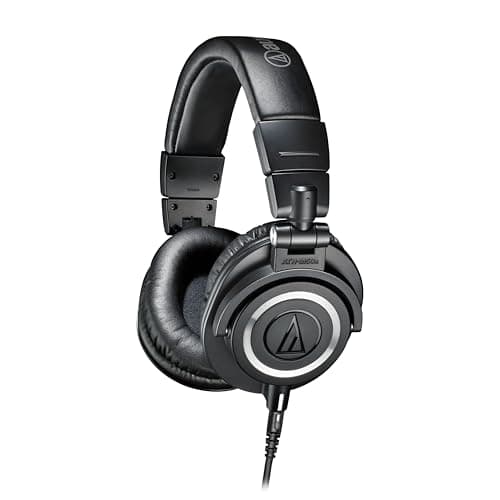
Audio-Technica ATH-M50x
Audio-Technica · A tough closed-back for tracking, not mixing
Use them for tracking and for checking a mix against a consumer-style bass lift. Do not make low-end decisions on them — the K371 costs similar money and measures far flatter.
Why it is here
- Drives easily from anything at 36.6 ohms
- Physically robust, and folds for transport
- Good isolation for tracking next to a live mic
What it costs you
- A pronounced bass lift that makes mixes translate badly
- Narrow soundstage even by closed-back standards
- Pads compress and need replacing sooner than the Beyerdynamic equivalents
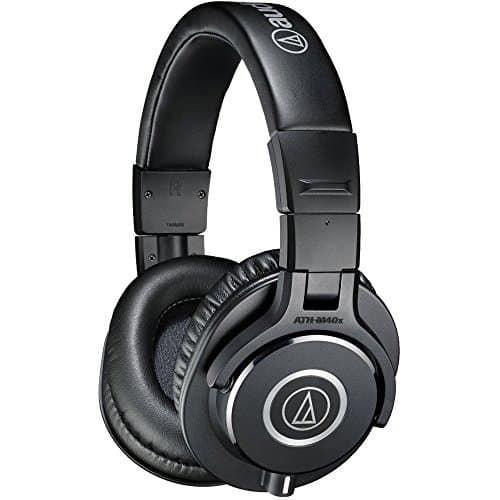
Audio-Technica ATH-M40x
Audio-Technica · The flat-voiced budget closed-back
The one to buy if money is tight and you want a closed-back that does not lie to you about low end. Step up to the DT 770 Pro when isolation or longevity starts costing you takes.
Why it is here
- Voiced far flatter than the ATH-M50x it sits below, which makes it the better monitoring choice of the two
- 35 ohms and a 1,600 mW power handling figure means nothing you own will struggle or damage it
- Two detachable cables in the box, one coiled and one straight
What it costs you
- Isolates less than the DT 770 Pro or the HD 280 Pro, so a loud headphone mix can still leak
- Pads are shallow and compress within a year of regular use
- Audio-Technica publishes no attenuation figure for it either
Which of the two jobs is yours
- Mostly mixing, in a room you cannot treat. Buy the open-back DT 900 Pro X. An untreated room produces 10 dB or more of variation below 200 Hz, which is larger than any difference between monitors - so headphones are the more reliable tool, and open-backs give you the depth cues closed-backs flatten.
- Mostly tracking, with a microphone live in the room. Buy a closed-back pair. The DT 770 Pro is the durable answer and the Sennheiser HD 280 Pro, below this band, publishes the only real isolation figure in the category at 32 dB.
- Both, with one pair. The DT 700 Pro X is the compromise that costs the least in either direction: closed enough to track with, honest enough to make most mix calls on.
- Checking what a mix does on consumer gear. The ATH-M50x's bass lift is a feature for that purpose and a liability for any other. Beyerdynamic DT 770 Pro vs ATH-M50x has the two side by side.
- Spending as little as possible without being misled. The ATH-M40x. Best closed-back headphones for mixing covers that decision in more depth.
What we did not pick, and why
- The Sennheiser HD 650 and HD 490 Pro. Both sit above this band on price, and the HD 650 needs 300 ohms worth of amplification on top. They are ranked on best open-back headphones under $500.
- The Sennheiser HD 280 Pro and Sony MDR-7506. Both qualify on price and both are better understood as specialists - isolation and edit-checking respectively. They are ranked on best headphones for podcasting.
- Anything wireless or noise-cancelling. Both add processing between you and the recording, which is the opposite of the job.
- Gaming headsets with a boom mic. The capsule is the compromise and the headphone half is voiced for effect. A separate microphone and a studio pair costs similar money and is better at both.
- Open-backs under $200. They exist and the honest ones in that band are closed - which is why the band below this one is a closed-back page.
How these are ranked
- Fitness for the stated job, tracking or mixing, before any single number.
- Measured impedance and sensitivity where an independent measurement exists, published figures where it does not.
- Isolation, in dB where the manufacturer publishes it - almost none do, which is itself worth knowing.
- Serviceability. Replaceable pads and cables are what make a pair last past the warranty.
- Buyable now, with a live Amazon listing under $300 from the daily price check at the time this page was written.
Pair it with
- An interface whose headphone output can actually drive them. Best audio interfaces under $300.
- A monitor cross-check, if you have one. Studio monitors vs headphones for mixing.
- A method for the low end. How to mix low end on headphones.
- A full headphones-only workflow. How to mix with headphones only.
If you are buying one pair and you do both jobs, buy the closed-back and spend the difference on treatment. If you are buying your second pair, buy the open-back - the first thing you will notice is not more detail but more depth, because an open enclosure stops the reflections inside the cup from smearing the stereo image. Neither purchase is a substitute for hearing a mix on a speaker in a treated room, which remains the reference every headphone on this page is being measured against.